Cleaner power
Low carbon heating solutions for a greener, more sustainable future.
Infrared heating and commercial solar solutions for warehouses and industrial, public and social housing sectors.






About
I’m Nick Green.
An independent green energy consultant and specialist in sustainable technology.
I help organisations across the UK meet their ESG goals through commercial solar panel solutions and smarter, infra-red heating technology.
About
I’m Nick Green.
An independent green energy consultant and specialist in sustainable technology.
I help organisations across the UK meet their ESG goals through commercial solar panel solutions and smarter, infra-red heating technology.
About
I’m Nick Green.
An independent green energy consultant and specialist in sustainable technology.
I help organisations across the UK meet their ESG goals through commercial solar panel solutions and smarter, infra-red heating technology.
Meet UK Net-Zero with green energy solutions.
The UK’s Net-Zero 2050 commitment is driving a rapid shift to low-carbon technologies. Environmental requirements are now a key pillar in strategic priorities. Recent legislation such as Awaab's Law are also shaping Housing Associations' retrofit plans, to ensure a healthy environment for tenants.
Modernise your building and reduce carbon emissions with eco-energy and greener heating, designed for longevity and sustainability.
0.0m
0.0m
households
in the UK are affected by damp or mould.
0.0m
0.0m
households
in the UK are affected by damp or mould.
0.0m
0.0m
households
in the UK are affected by damp or mould.
0%
0%
price increase
for UK energy in the last 5 years.
0%
0%
price increase
for UK energy in the last 5 years.
0%
0%
price increase
for UK energy in the last 5 years.
0%
0%
UK SME's
report that energy bills reduce profit margins.
0%
0%
UK SME's
report that energy bills reduce profit margins.
0%
0%
UK SME's
report that energy bills reduce profit margins.
0%
0%
UK companies
claim energy impacts performance.

0%
0%
UK companies
claim energy impacts performance.

0%
0%
UK companies
claim energy impacts performance.
Smart heating
The Infra red heating advantage
Whether you are a housing association, manage warehouse or industrial property or public buildings, like schools and hospitals, the right green heating strategy can transform comfort, operating costs, and long-term sustainability.
Infra-red heating delivers a more targeted and efficient alternative to traditional systems, reducing your carbon footprint, cutting ongoing costs, and protecting your assets from damp, mold and heat loss at the source.

Low energy, high impact
By heating surfaces instead of air, infrared heating reduces the forming of condensation and mould. This lowers associated health risks, improving air quality, and results in less maintenance and fewer long-term issues.

Targeted heat, where it matters
Infrared heating targets the areas that need warmth, reducing wasted energy and heat in large or poorly insulated spaces, supporting carbon-reduction goals.
Smart heating
The Infra red heating advantage
Whether you are a housing association, manage warehouse or industrial property or public buildings, like schools and hospitals, the right green heating strategy can transform comfort, operating costs, and long-term sustainability.
Infra-red heating delivers a more targeted and efficient alternative to traditional systems, reducing your carbon footprint, cutting ongoing costs, and protecting your assets from damp, mold and heat loss at the source.

Low energy, high impact
By heating surfaces instead of air, infrared heating reduces the forming of condensation and mould. This lowers associated health risks, improving air quality, and results in less maintenance and fewer long-term issues.

Targeted heat, where it matters
Infrared heating targets the areas that need warmth, reducing wasted energy and heat in large or poorly insulated spaces, supporting carbon-reduction goals.
Smart heating
The Infra red heating advantage
Whether you are a housing association, manage warehouse or industrial property or public buildings, like schools and hospitals, the right green heating strategy can transform comfort, operating costs, and long-term sustainability.
Infra-red heating delivers a more targeted and efficient alternative to traditional systems, reducing your carbon footprint, cutting ongoing costs, and protecting your assets from damp, mold and heat loss at the source.

Low energy, high impact
By heating surfaces instead of air, infrared heating reduces the forming of condensation and mould. This lowers associated health risks, improving air quality, and results in less maintenance and fewer long-term issues.

Targeted heat, where it matters
Infrared heating targets the areas that need warmth, reducing wasted energy and heat in large or poorly insulated spaces, supporting carbon-reduction goals.
Sectors
Energy-efficient alternatives to traditional heating.
Sustainable, eco-energy solutions that work for every situation.


Warehousing & industrial heating
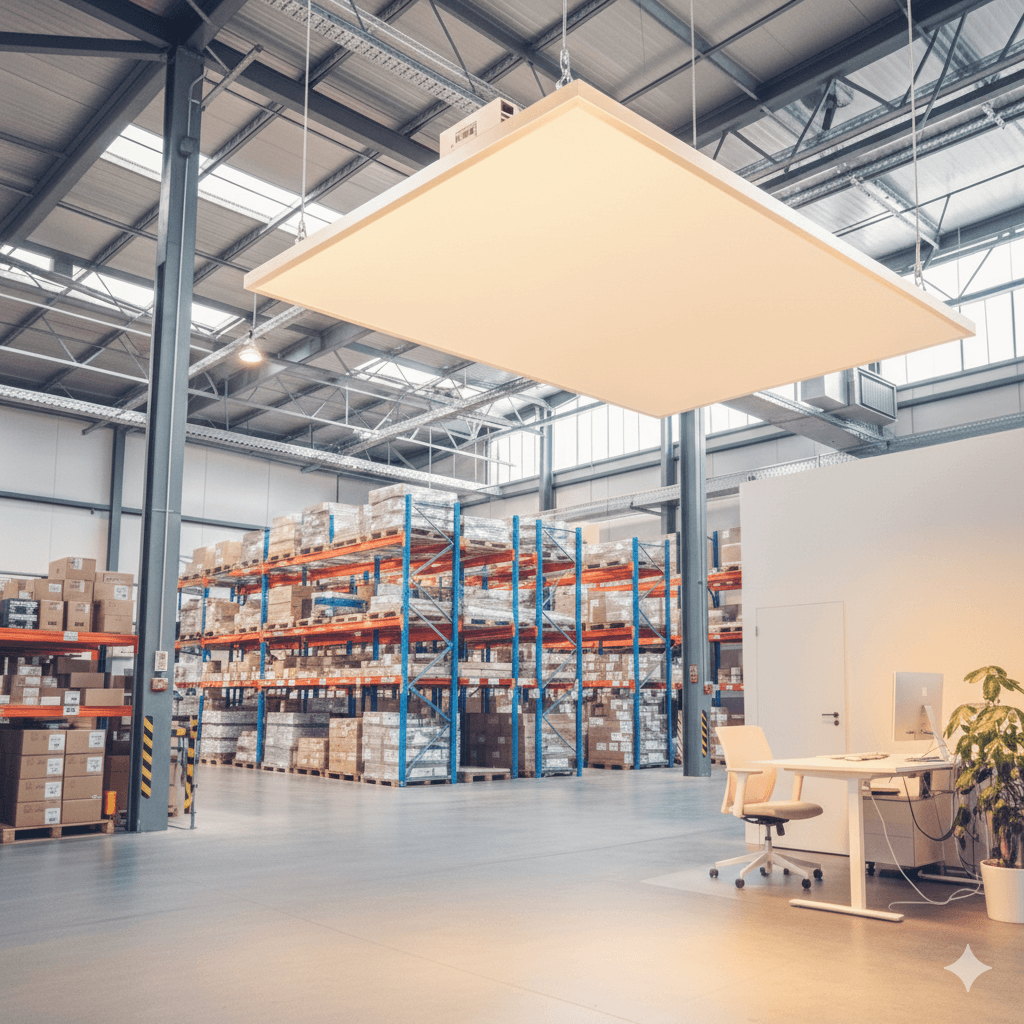
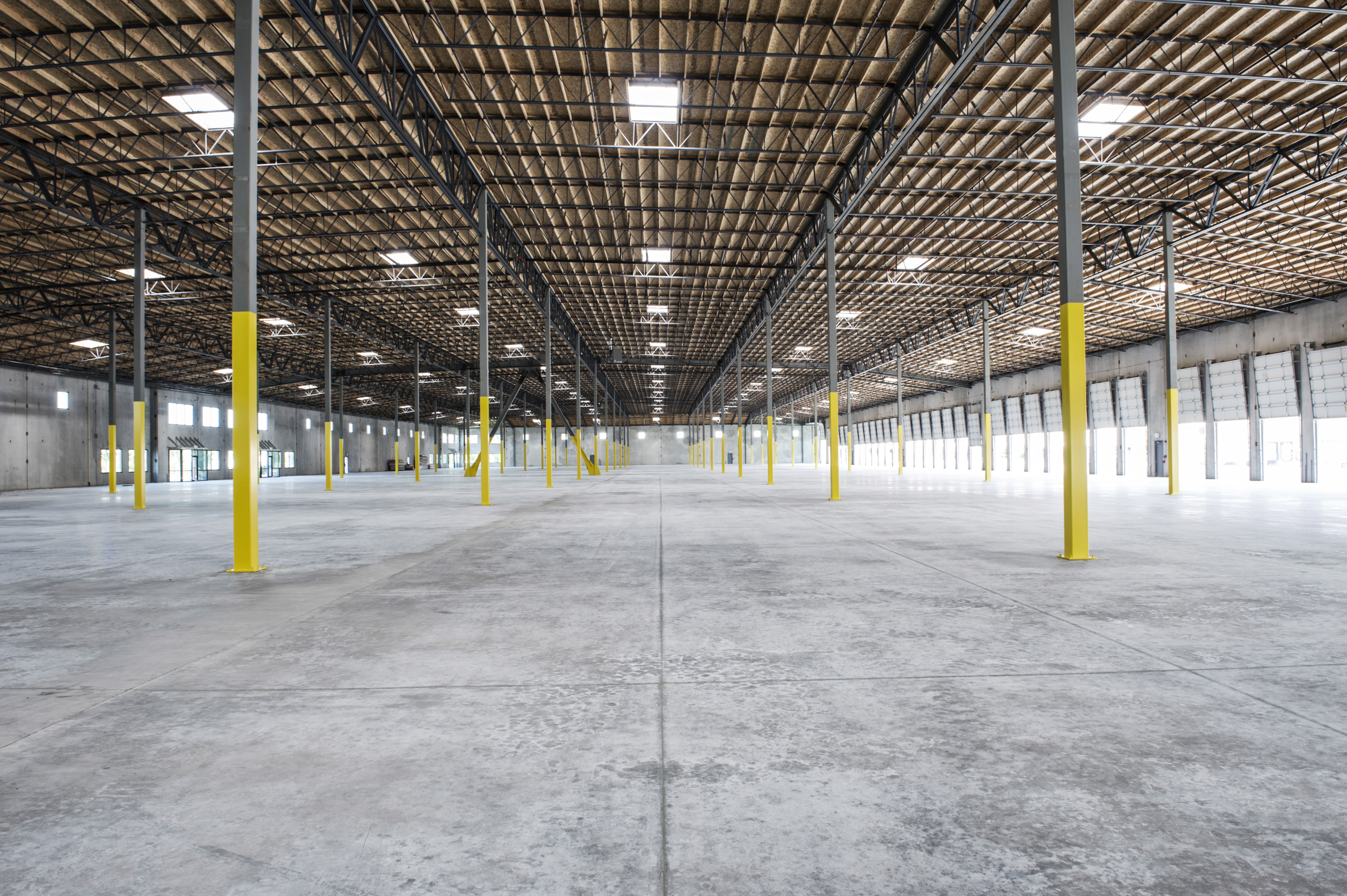
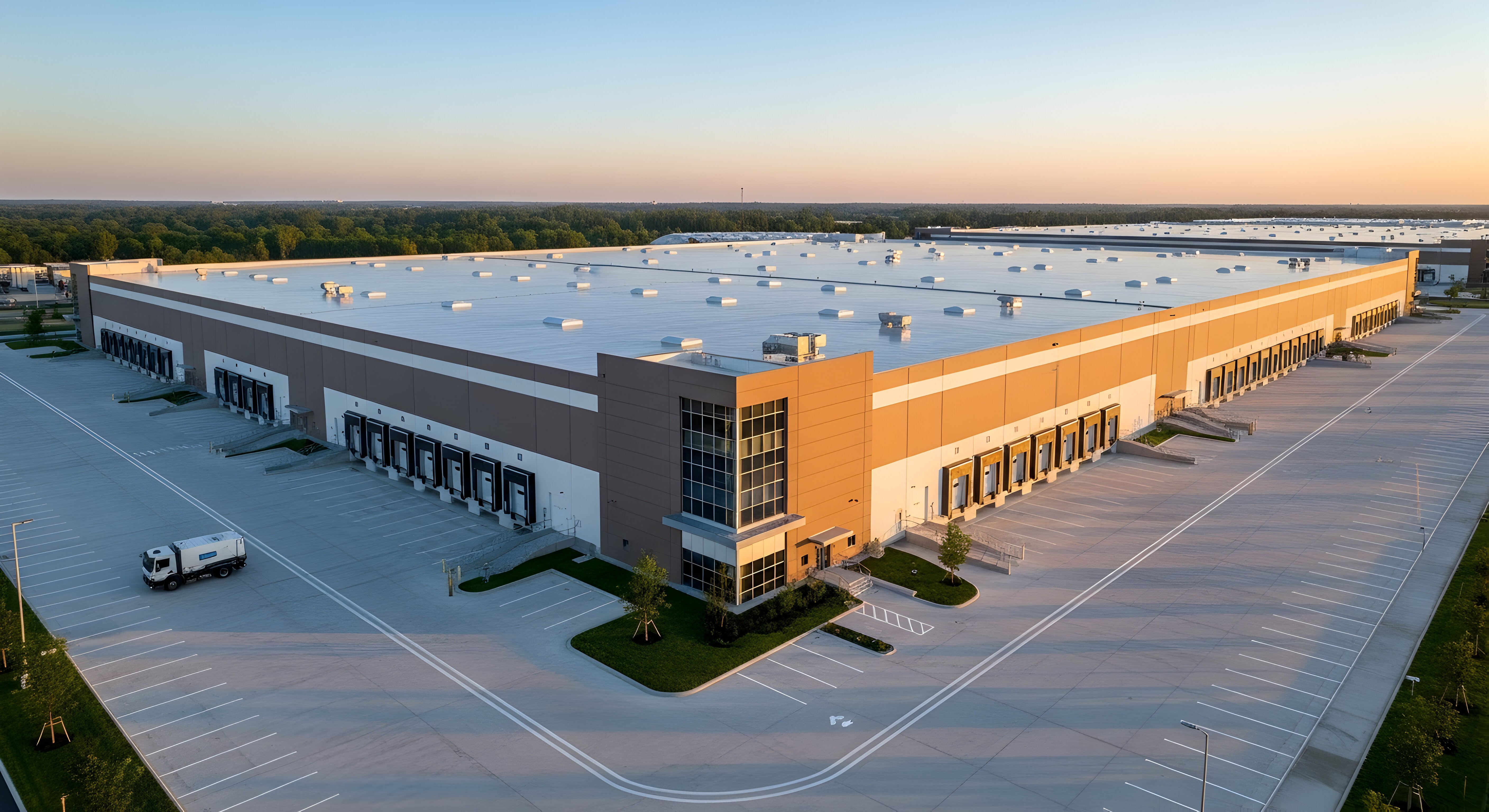
Large, open spaces are expensive and inefficient to warm with traditional convection technology. New, infra-red heating solutions deliver targeted, ambient warmth, ideal for operational areas.

Green energy for housing associations
Damp and mould pose a major risk for tenant wellbeing, regulatory compliance and social housing. By heating the fabric of the building, Infrared heating eliminates the root cause. Combining this with solar integration can signficantly lower heating bills.

Green heating solutions for FM commercial landlords
Office buildings can be notoriously hard to heat. With infrared ceiling tiles, even warmth can be delivered through the rooms, more effecitvely than outdated radiator, or HVAC systems.

Infrared heating for warmer care homes
Temperature swings and poor air quality quickly affect comfort and well-being for residents. Infrared heating delivers stable, draught-free heat without circulating dust of allergens.

Heating & solar for schools and public buildings
Older education buildings often struggle with cold rooms, high bills and outdated systems. Infrared heating and solar panels reduce waste and deliver ambient heat throughout.

Smart heating for residential homes
Homes often suffer from uneven heating and high energy bills with traditional radiator systems. New technologies, such as Infra red heating and air source heat pumps (ASHPs) provide consistent warmth, improving comfort while reducing consumption.


Warehousing & industrial heating
Large, open spaces are expensive and inefficient to warm with traditional convection technology. New, infra-red heating solutions deliver targeted, ambient warmth, ideal for operational areas.

Green energy for housing associations
Damp and mould pose a major risk for tenant wellbeing, regulatory compliance and social housing. By heating the fabric of the building, Infrared heating eliminates the root cause. Combining this with solar integration can signficantly lower heating bills.

Green heating solutions for FM commercial landlords
Office buildings can be notoriously hard to heat. With infrared ceiling tiles, even warmth can be delivered through the rooms, more effecitvely than outdated radiator, or HVAC systems.

Infrared heating for warmer care homes
Temperature swings and poor air quality quickly affect comfort and well-being for residents. Infrared heating delivers stable, draught-free heat without circulating dust of allergens.

Heating & solar for schools and public buildings
Older education buildings often struggle with cold rooms, high bills and outdated systems. Infrared heating and solar panels reduce waste and deliver ambient heat throughout.

Smart heating for residential homes
Homes often suffer from uneven heating and high energy bills with traditional radiator systems. New technologies, such as Infra red heating and air source heat pumps (ASHPs) provide consistent warmth, improving comfort while reducing consumption.


Warehousing & industrial heating
Large, open spaces are expensive and inefficient to warm with traditional convection technology. New, infra-red heating solutions deliver targeted, ambient warmth, ideal for operational areas.

Green energy for housing associations
Damp and mould pose a major risk for tenant wellbeing, regulatory compliance and social housing. By heating the fabric of the building, Infrared heating eliminates the root cause. Combining this with solar integration can signficantly lower heating bills.

Green heating solutions for FM commercial landlords
Office buildings can be notoriously hard to heat. With infrared ceiling tiles, even warmth can be delivered through the rooms, more effecitvely than outdated radiator, or HVAC systems.

Infrared heating for warmer care homes
Temperature swings and poor air quality quickly affect comfort and well-being for residents. Infrared heating delivers stable, draught-free heat without circulating dust of allergens.

Heating & solar for schools and public buildings
Older education buildings often struggle with cold rooms, high bills and outdated systems. Infrared heating and solar panels reduce waste and deliver ambient heat throughout.

Smart heating for residential homes
Homes often suffer from uneven heating and high energy bills with traditional radiator systems. New technologies, such as Infra red heating and air source heat pumps (ASHPs) provide consistent warmth, improving comfort while reducing consumption.
Green energy expert
About me
Delivering green heating strategies, designed for your building
With an advisory-led approach, I will work with you to develop a fit-for-purpose heating plan centred around your unique challenges.
My goal is to help you with creating a warmer, healthier and more efficient environment, with sustainable technology. Where suitable, we can look to integrate solar and battery solutions to reduce long-term running costs and carbon emissions.
As an expert in infrared heating and commercial solar, with a passion for a better future, I’m on a mission to solve the heating challenges that are being faced across across industries.
With an advisory-led approach, I will work with you to develop a fit-for-purpose heating plan centred around your unique challenges.
My goal is to help you with creating a warmer, healthier and more efficient environment, with sustainable technology. Where suitable, we can look to integrate solar and battery solutions to reduce long-term running costs and carbon emissions.
As an expert in infrared heating and commercial solar, with a passion for a better future, I’m on a mission to solve the heating challenges that are being faced across across industries.
With an advisory-led approach, I will work with you to develop a fit-for-purpose heating plan centred around your unique challenges.
My goal is to help you with creating a warmer, healthier and more efficient environment, with sustainable technology. Where suitable, we can look to integrate solar and battery solutions to reduce long-term running costs and carbon emissions.
As an expert in infrared heating and commercial solar, with a passion for a better future, I’m on a mission to solve the heating challenges that are being faced across across industries.
Nick - your independent green heating consultant



What are the benefits
Why choose Greener Heating?
Your independent low-carbon heating consultant.
Focused on delivering sustainable outcomes
Committed to cutting carbon emissions and costs, and improving comfort, & compliance.



100% greener heating solutions
Bespoke energy-efficient strategies
I work with globally leading energy innovators.
ESG committed
To help people and our planet
Expert in sustainability



0+
0+
0+
0+
0+
0+
years of experience in the green energy sector
Clients served
Clients served
Green energy FAQs
Frequently asked questions.
Everything you need to know about green energy.
What is infrared heating and how is it different?
Infrared heating works by warming people and surfaces directly, rather than heating the air. This makes it far more efficient than traditional radiator systems, especially in large, older or poorly insulated buildings.
What cost savings are possible?
Savings vary by building, but many organisations see reduced heating and maintenance costs because infrared heat targets only where it’s directed, with less heat drop off than traditional convection heating. Lower energy use, fewer damp-related repairs and reduced maintenance all contribute to long-term savings.
Is infrared disruptive to install in commercial buildings?
Not at all. Most systems can be installed with minimal downtime and without major structural changes, making it ideal for operational warehouses, active rental properties and all other environments.
Is infrared safe for use in homes, especially around children or vulnerable residents?
Completely, infrared panels operate at safe, controlled temperatures with a low voltage and don’t circulate dust or allergens, making them ideal for sensitive environments.
Can infrared be zoned for different work areas?
Yes, zoning is one of its biggest advantages. We can design heating set ups for specific workstations, packing lines, offices, homes or frequently used spaces, ensuring you're not paying to heat unused areas.
How does this support ESG goals?
Infrared heating uses less energy and produces lower carbon emissions than traditional systems. When combined with solar and battery solutions, it supports decarbonisation, improves energy efficiency and helps organisations demonstrate measurable ESG progress.
What’s included in the consultation?
We will assess your building, current heating options and key challenges, then develop a tailored heating strategy aligned to your operational, financial and ESG objectives. The focus is always on practical, cost-effective solutions that deliver measurable results.
How do your heating solutions work across different sectors?
I design tailored heating strategies based on how each building is used, its size, insulation and occupancy patterns. While the core principles are the same, every solution is adapted to meet the specific operational, regulatory and comfort needs of each sector.
Does it really help with damp and mould?
Yes. With infra-red heating warming the fabric of the building up, moisture that has been absorbed into the walls will dissipate, preventing mold from forming in damp areas. As far infra-red does not pass through windows, the glass is also heated, preventing the same level of condensation from forming around areas where there is typically a big heat drop off.
What is infrared heating and how is it different?
Infrared heating works by warming people and surfaces directly, rather than heating the air. This makes it far more efficient than traditional radiator systems, especially in large, older or poorly insulated buildings.
What cost savings are possible?
Savings vary by building, but many organisations see reduced heating and maintenance costs because infrared heat targets only where it’s directed, with less heat drop off than traditional convection heating. Lower energy use, fewer damp-related repairs and reduced maintenance all contribute to long-term savings.
Is infrared disruptive to install in commercial buildings?
Not at all. Most systems can be installed with minimal downtime and without major structural changes, making it ideal for operational warehouses, active rental properties and all other environments.
Is infrared safe for use in homes, especially around children or vulnerable residents?
Completely, infrared panels operate at safe, controlled temperatures with a low voltage and don’t circulate dust or allergens, making them ideal for sensitive environments.
Can infrared be zoned for different work areas?
Yes, zoning is one of its biggest advantages. We can design heating set ups for specific workstations, packing lines, offices, homes or frequently used spaces, ensuring you're not paying to heat unused areas.
How does this support ESG goals?
Infrared heating uses less energy and produces lower carbon emissions than traditional systems. When combined with solar and battery solutions, it supports decarbonisation, improves energy efficiency and helps organisations demonstrate measurable ESG progress.
What’s included in the consultation?
We will assess your building, current heating options and key challenges, then develop a tailored heating strategy aligned to your operational, financial and ESG objectives. The focus is always on practical, cost-effective solutions that deliver measurable results.
How do your heating solutions work across different sectors?
I design tailored heating strategies based on how each building is used, its size, insulation and occupancy patterns. While the core principles are the same, every solution is adapted to meet the specific operational, regulatory and comfort needs of each sector.
Does it really help with damp and mould?
Yes. With infra-red heating warming the fabric of the building up, moisture that has been absorbed into the walls will dissipate, preventing mold from forming in damp areas. As far infra-red does not pass through windows, the glass is also heated, preventing the same level of condensation from forming around areas where there is typically a big heat drop off.

What is infrared heating and how is it different?
Infrared heating works by warming people and surfaces directly, rather than heating the air. This makes it far more efficient than traditional radiator systems, especially in large, older or poorly insulated buildings.
What cost savings are possible?
Savings vary by building, but many organisations see reduced heating and maintenance costs because infrared heat targets only where it’s directed, with less heat drop off than traditional convection heating. Lower energy use, fewer damp-related repairs and reduced maintenance all contribute to long-term savings.
Is infrared disruptive to install in commercial buildings?
Not at all. Most systems can be installed with minimal downtime and without major structural changes, making it ideal for operational warehouses, active rental properties and all other environments.
Is infrared safe for use in homes, especially around children or vulnerable residents?
Completely, infrared panels operate at safe, controlled temperatures with a low voltage and don’t circulate dust or allergens, making them ideal for sensitive environments.
Can infrared be zoned for different work areas?
Yes, zoning is one of its biggest advantages. We can design heating set ups for specific workstations, packing lines, offices, homes or frequently used spaces, ensuring you're not paying to heat unused areas.
How does this support ESG goals?
Infrared heating uses less energy and produces lower carbon emissions than traditional systems. When combined with solar and battery solutions, it supports decarbonisation, improves energy efficiency and helps organisations demonstrate measurable ESG progress.
What’s included in the consultation?
We will assess your building, current heating options and key challenges, then develop a tailored heating strategy aligned to your operational, financial and ESG objectives. The focus is always on practical, cost-effective solutions that deliver measurable results.
How do your heating solutions work across different sectors?
I design tailored heating strategies based on how each building is used, its size, insulation and occupancy patterns. While the core principles are the same, every solution is adapted to meet the specific operational, regulatory and comfort needs of each sector.
Does it really help with damp and mould?
Yes. With infra-red heating warming the fabric of the building up, moisture that has been absorbed into the walls will dissipate, preventing mold from forming in damp areas. As far infra-red does not pass through windows, the glass is also heated, preventing the same level of condensation from forming around areas where there is typically a big heat drop off.
Ready to rethink your heating?
Contact me today to discuss your building requirements, business objectives and ESG goals. As a low-carbon heating specialist, I will recommend exactly what works for you.


Ready to rethink your heating?
Contact me today to discuss your building requirements, business objectives and ESG goals. As a low-carbon heating specialist, I will recommend exactly what works for you.


Ready to rethink your heating?
Contact me today to discuss your building requirements, business objectives and ESG goals. As a low-carbon heating specialist, I will recommend exactly what works for you.